Botanical Flowers Canva Frame Template
A Designer’s First Glance: Delicate, Cohesive, and Quietly Versatile
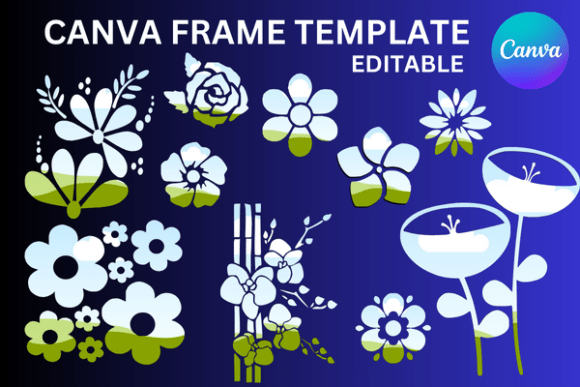
Opening the Botanical Flowers Canva Frame Template, I immediately felt its intention: softness with structure. Ten frame layouts—each built around flowing stems, clustered blossoms, and subtle leaf motifs—arranged within clean 2000×2000 px squares. No harsh edges, no aggressive symmetry. Just quiet botanical rhythm. As someone who regularly translates digital graphics into machine embroidery design, my first question wasn’t “Is it pretty?” but “Will this hold up when stitched on a textured tote bag or a baby onesie?” The answer, after testing three frames across different fabric types, is yes—but with thoughtful boundaries.
Where It Shines: Real Projects That Feel Intentional
Last week, I used one of the frames to create a custom embroidered tote for a local herbalist’s pop-up shop. We placed the frame centered on natural linen canvas—no background fill, just the outline + light inner florals—and stitched it in matte cotton thread. The result? A handmade product that looked elevated, not generic. Customers paused to trace the curves with their fingers. That’s the strength of the Botanical Flowers Canva Frame Template: it reads as intentional craftsmanship, not clipart. It works especially well for:
- Sweatshirt embroidery—when scaled to 4–5 inches wide and stitched with balanced satin stitch and open fill stitch areas;
- Embroidered patch designs—its clear outer boundary makes clean cutting and heat-sealing easy;
- Baby embroidery on organic cotton blankets or bibs, where delicate line weight avoids bulk;
- Holiday embroidery on tea towels or pillow covers—pairing the floral frame with simple monogrammed initials inside;
- Etsy seller mockups—using the PDF’s Canva link to drop the frame over lifestyle photos for instant, cohesive listings.
Where to Pause: Fabric, Scale, and Stitch Reality
This isn’t a one-size-fits-all embroidery file. Its charm lives in its detail—and detail demands respect. On stretchy fabric like jersey knit, the fine stems can distort if stabilizer isn’t layered thoughtfully. On dark fabric, some inner petal lines vanish unless you adjust thread color contrast manually before digitizing. And while the 2000×2000 px resolution gives flexibility, shrinking the frame below 3 inches risks losing clarity in corners—especially where vines tuck behind blooms. I wouldn’t recommend it for curved surfaces like caps without simplifying the lower third first. Likewise, dense fill stitch areas (like clustered centers) need breath—test stitch density on scrap fabric before committing to a full run on a boutique apron or nursery decor item.
Design Integrity Meets Commercial Practicality
As a craft business owner, I judge templates not just by aesthetics but by how they impact customer trust and perceived value. The Botanical Flowers Canva Frame Template elevates a simple personalized gift—it turns a plain kitchen towel into something worthy of gifting at a baby shower or wedding. That matters. Buyers don’t just buy thread and fabric; they buy confidence in your eye. This template supports that. Its consistency across ten variations also helps small shop owners maintain brand cohesion—whether you’re selling embroidered patches on Etsy or building printable mockups for a digital product launch. Just remember: since it’s a digital embroidery file delivered via PDF link, confirm licensing terms before reselling finished items or bundling it into your own design assets.
What Every Embroidery Designer Should Test First
Before stitching your first client project, do these five things:
- Run a black-and-white mockup—it reveals whether line weight holds up on low-contrast fabric;
- Check thread color contrast on both light and dark fabric swatches—some inner details disappear in navy or charcoal without slight thickening;
- Confirm hoop size compatibility—the frames are spacious, but tight corners may require repositioning on smaller hoops;
- Inspect small details under magnification—those tiny vine tips? They’ll need stabilizer support on thin fabric or delicate applique design workflows;
- Test wash durability on a scrap—especially if planning commercial embroidery for baby items or kitchen textiles.
Final Thought: A Thoughtful Tool, Not a Shortcut
The Botanical Flowers Canva Frame Template won’t replace skilled digitizing—but it does save hours of layout work for designers who value botanical authenticity over trend-chasing. It fits naturally into custom apparel, personalized gifts, and small shop merchandise because it feels hand-selected, not algorithm-generated. Use it to anchor a design, not overwhelm it. Let the flowers breathe. Let the frame guide—not dominate. And always, always test first. Because in embroidery, the difference between a lovely idea and a beloved finished product is measured in stitches, stabilizer, and seconds spent checking the corner of a petal before pressing “start.”