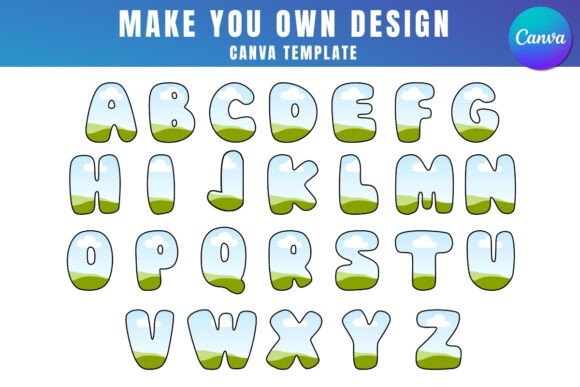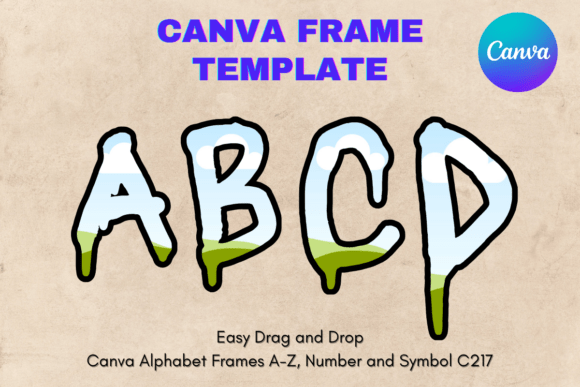
Leopard Tumbler Design Bundle Canva
As someone who’s stitched leopard motifs on everything from baby onesies to boutique aprons—and turned down more than a few “trendy but unworkable” digital designs—I opened Leopard Tumbler Design Bundle Canva with cautious curiosity. Not for the sake of hype, but because my next client order is a set of embroidered linen tea towels for a small coffee shop’s holiday gift line, and I needed something bold enough to stand out on textured fabric, yet clean enough to stitch reliably at 3.5" wide.
First impression? It’s playful, not predatory. The leopard print isn’t photorealistic or hyper-detailed—it’s stylized, rhythmic, and built around strong negative space. That matters. Real embroidery breathes where ink doesn’t: dense fill stitches can pucker thin cotton; tiny rosettes vanish under satin stitch unless digitized with care. This bundle leans into simplicity—clean outlines, balanced scale, and intentional gaps between spots. It feels like a design made *for* stitching, not just screen display.
I tested it as a centered motif on a heavyweight cotton tote bag—no appliqué, just direct-embroidery placement using a 4x4 hoop. The rhythm of the pattern held up beautifully in stitch. No thread breaks. No nesting issues in the corners. The spacing between elements gave stabilizer room to do its job, especially along curved edges where the design wraps slightly toward the side seam. That’s rare in tumbler-themed graphics repurposed for embroidery—you often get awkward truncation or forced centering. Here, the layout respects real-world garment geometry.
Where it shines most is in context-driven projects. Think: a brushed-cotton sweatshirt for a local yoga studio (soft contrast, no glare), a twill patch sewn onto a denim jacket (the print reads clearly even at 2.75"), or a minimalist baby blanket corner accent (gentle scale, no fussy detail). It works because it’s not trying to be everything. It’s a confident, mid-weight graphic—neither delicate nor overwhelming—that lands with clarity across fabrics and uses.
That said, there are places to pause before pressing “embroider.” On stretchy knits like jersey tees or ribbed baby bodysuits, you’ll need cutaway + tear-away combo stabilizer—this design has enough directional flow that slight fabric shift could blur the spot alignment. On dark fabrics, avoid light thread combos unless you’re adding underlay; the contrast relies on value separation, not just hue. And if you’re planning a cap front placement, test the width first—the horizontal emphasis means it may need slight compression or repositioning to avoid stretching across the curve.
It also doesn’t pretend to be fine-detail work. There’s no micro-lettering, no lace-like interior texture, no gradient fills. That’s a strength—not a limitation. If you’re building a cohesive product line (say, matching embroidered mugs, totes, and pillow covers), this design scales cleanly across mockups and physical items without losing legibility. As a digital embroidery file used in commercial embroidery, it avoids the “over-digitized clutter” that makes clients question quality when they see loose threads or shadowed areas in dense zones.
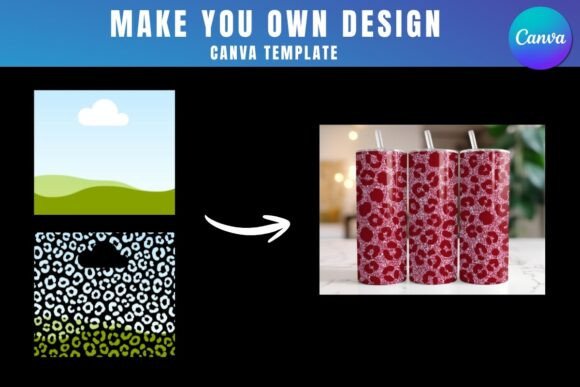
For Etsy sellers and craft fair makers, Leopard Tumbler Design Bundle Canva offers smart versatility. You can drop it into a Canva template for instant printable mockups—great for fast listing updates—or use it as-is for stitched products. Since it’s delivered as a PDF with a link to Canva frame templates, you retain full control over background images: swap in marble textures for luxury listings, kraft paper for rustic branding, or soft blush gradients for baby collections. That flexibility supports brand consistency without locking you into one aesthetic.
But—and this is critical—don’t assume the Canva frames translate directly to stitch-ready files. This is a graphics bundle, not a machine embroidery design. You’ll need to digitize it yourself or hire a digitizer if you’re embroidering it. That means reviewing stitch density manually, checking jump stitch placement, confirming underlay coverage for textured fabrics, and validating thread color contrast across your intended product palette. What looks sharp on screen won’t always read the same in rayon or matte polyester thread.
A few practical notes from the stitching bench:
- Always test on scrap fabric matching your final product’s weight and weave—especially for baby items or kitchen towels that face frequent washing.
- Check how the design behaves in black-and-white mockups; leopard prints rely heavily on tonal contrast, not color alone.
- Review small details at actual stitch size—zoom in on your embroidery software to confirm spot edges won’t feather or blur.
- Use proper stabilizer: medium-cutaway for knits, tear-away + topping for napped fabrics like terrycloth towels.
- Confirm licensing before selling finished embroidered goods or reselling digital assets—this bundle’s PDF doesn’t specify usage rights, so verify before scaling commercially.
What surprised me most wasn’t how well it stitched—but how well it landed. A customer recently bought one of my embroidered sweatshirts featuring this motif and sent a photo wearing it to brunch. She didn’t say “love the leopard,” she said, “It looks handmade, not printed.” That’s the quiet win: Leopard Tumbler Design Bundle Canva supports authenticity. It doesn’t scream trend—it whispers craft. It gives space for thread choice, fabric texture, and intentional placement to speak louder than the graphic itself.
So yes—it’s Canva-based. Yes—it’s a graphics bundle, not an embroidery file. But in the hands of a designer who thinks ahead about stitch, fabric, and buyer psychology? It’s a quietly powerful tool. Not for every project. But for the right one—a custom tote, a boutique apron, a holiday tea towel set—it adds polish without pretense. And in a market flooded with overly complex, low-stitch-count “embroidery” graphics, that kind of thoughtful restraint is rare. And useful.