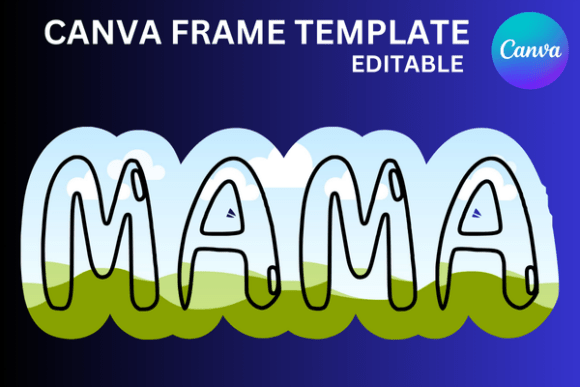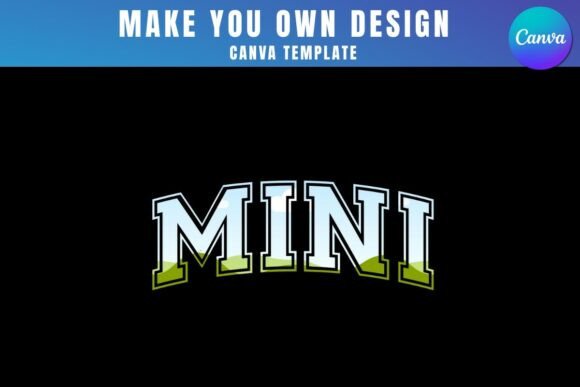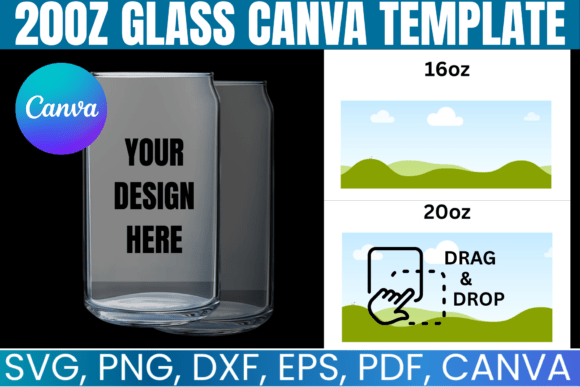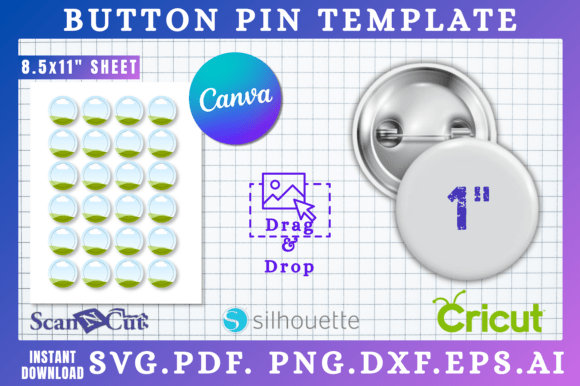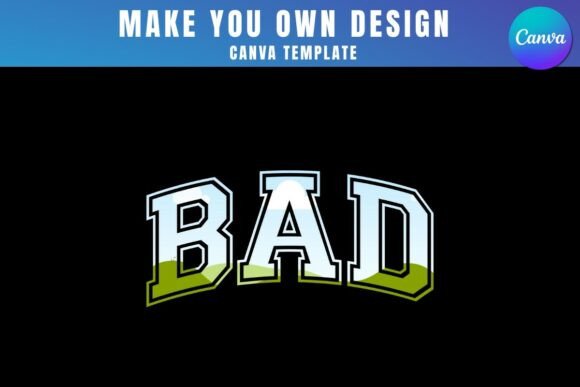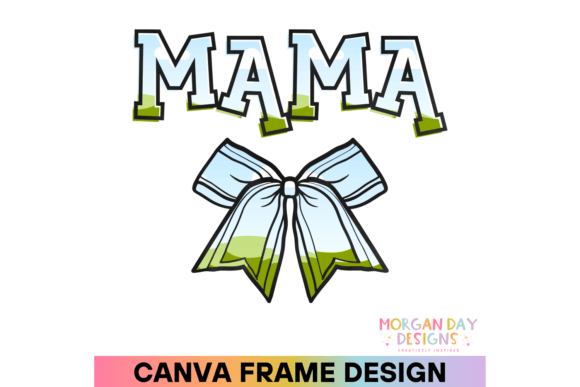
Mama Canva Template: Graphics for Real Crafting & Canva
First Impressions: Warm, Hand-Drawn, and Ready for Real Business Use
When I opened Mama Canva Template for the first time—prepping for a spring-themed batch of custom mugs, planner stickers, and gift tags—I felt that familiar spark: this isn’t just clipart. It’s got soft watercolor textures, gentle line work, and intentional negative space. The mood is cozy-feminine with a touch of playful elegance—think handmade baby shower favors, mom-owned Etsy shops, or small-batch subscription boxes. It leans into warmth without being cutesy, and it avoids overused trends like glitter overload or hyper-minimalism. That means customers browsing my shop see authenticity—not stock filler.
How I Actually Used Mama Canva Template in My Handmade Workflow
Last week, I used Mama Canva Template to build three real product lines: vinyl-cut tumbler wraps for a local coffee shop collab, printable wall art bundles for Etsy, and sublimation-ready designs for custom tote bags. Here’s how it translated across tools:
- Cricut project: I downloaded the PNG, uploaded it to Design Space, and used “Simplify” + “Contour” to isolate clean cut lines. The illustration held up beautifully—even at 4.5 inches wide—because the core shapes were bold and uncluttered.
- Silhouette project: Traced the PNG at high contrast, then manually cleaned stray pixels. Worked best when I increased the threshold to 220 before auto-trace—gave me smooth SVG design paths for layered vinyl.
- Sticker design & t-shirt design: Printed test sheets on matte sticker paper and heat-transfer vinyl. The PNG transparency rendered cleanly—no gray halos—so no extra masking needed.
- Printable design: Dropped the graphic into a Canva layout for a set of 8.5×11” floral gift tags. Drag-and-drop editing let me swap in client photos and adjust text weight in under 90 seconds per tag.
Where Mama Canva Template Shines (and Where It Needs Extra Care)
This graphic design asset thrives in contexts where charm and clarity go hand-in-hand:
- Large cut files — perfect for tumbler wraps, tote bag prints, and greeting card focal points.
- Clean printable layouts — ideal for planner pages, printable wall art, and gift tag suites where white space supports readability.
- Seasonal craft bundles — I repurposed one floral motif across Easter egg labels, Mother’s Day cards, and spring market banners.
- Personalized items — added names to gift tags and monogrammed mugs using Canva’s built-in text tools without distorting proportions.
- Small business branding — used the main illustration as a subtle watermark on packaging inserts and thank-you cards.
But here’s what I watched closely:
- Very small cutting details — avoid scaling below 1.25 inches unless you manually thicken stems or outlines in Inkscape or Illustrator.
- Thin lines — some delicate vines didn’t cut cleanly on my Cricut Maker’s fine-point blade until I increased line weight to 2.5 pt in Canva first.
- Crowded compositions — the full scene version works for wall art, but I simplified it to single elements for sticker sheets.
- Low-contrast colors — tested on dark mugs and black vinyl: light pastel versions faded. Switched to deep sage and terracotta tones for better legibility.
Practical Crafter Notes You’ll Want Before Hitting “Make”
I treat every new graphic design asset like a raw material—not just decoration. With Mama Canva Template, I ran these checks before listing anything on Etsy or fulfilling customer orders:
- Test the file before selling finished products — printed a set of mug decals on Cricut Everyday Iron-On, pressed them, and checked for edge lifting after 3 dishwasher cycles.
- Confirm SVG lines are clean — if converting to SVG, always zoom in at 800% to check for double paths or micro-gaps.
- Preview PNG transparency — opened in Preview (Mac) and Photoshop to ensure no hidden background layers or anti-aliasing fringes.
- Verify resolution for sublimation — scaled to 300 DPI at final print size; anything under 2400×2400 px looked pixelated on ceramic mugs.
- Test colors before printing — ran CMYK soft-proofing in Affinity Designer and compared swatches side-by-side on white vs. navy fabric mockups.
- Place it on real mockups — used Placeit and Smartmockups to preview Mama Canva Template on actual tumbler and tote bag templates—not just flat Canva previews.
- Resize thoughtfully — kept aspect ratio locked, and avoided stretching beyond 130% to prevent distortion in hand-drawn curves.
- Simplify if needed — removed two background leaves for sticker sheets so each piece cut cleanly without nesting issues.
- Pair fonts intentionally — serif fonts (like Playfair Display) balanced the illustration’s softness, while rounded sans-serifs (Quicksand) matched its friendly vibe.
- Confirm commercial licensing — double-checked the license included unlimited use for physical handmade products, digital downloads, and POD—but excluded resale of the template itself.
Why This Fits Real Handmade Businesses—Not Just Hobbyists
Mama Canva Template isn’t just another Canva graphic. It’s built for iteration: one illustration becomes five product types in under an hour. I used it for a Mother’s Day collection that included Cricut-cut iron-on transfers, printable planner stickers sold as instant-download digital products, sublimation-ready tumblers, and branded gift tags for local boutiques. Because it’s editable inside Canva—and because the PNG holds up across platforms—it cuts down on design fatigue without sacrificing brand cohesion. For Etsy sellers juggling seasonal launches, craft fair prep, and custom orders, that speed + flexibility is non-negotiable. And unlike generic clipart packs, Mama Canva Template feels intentional—not decorative filler, but part of the story your handmade business tells.