Paint Brush Brush Stroke Canva Frame_21
A Designer’s First Look: Loose, Lively, and Made for Handmade Charm
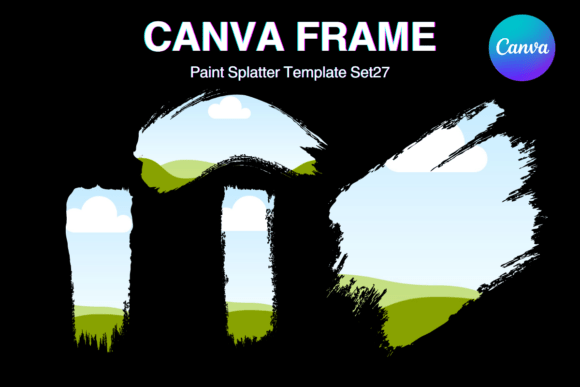
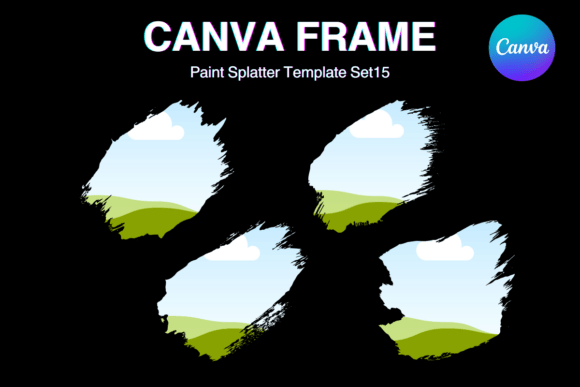
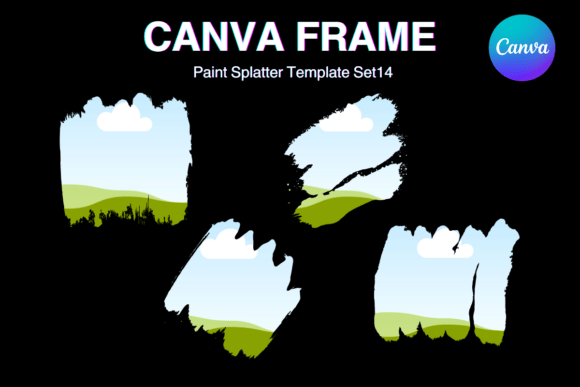
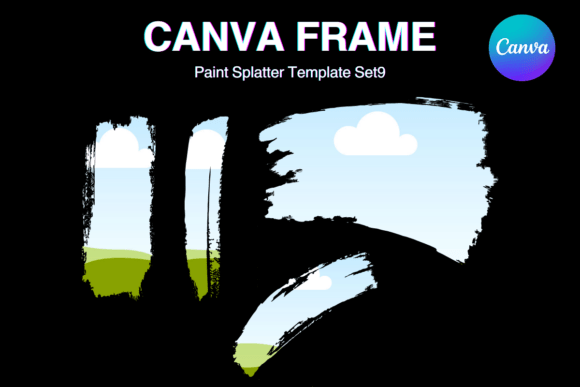
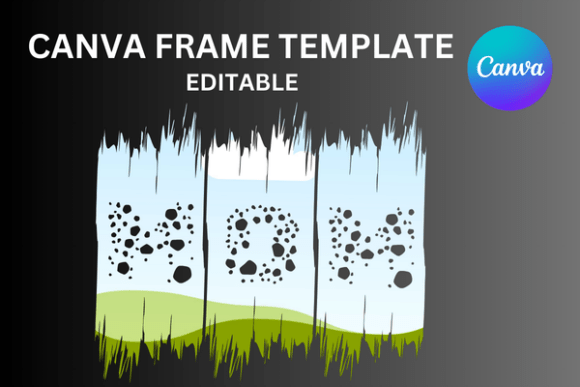
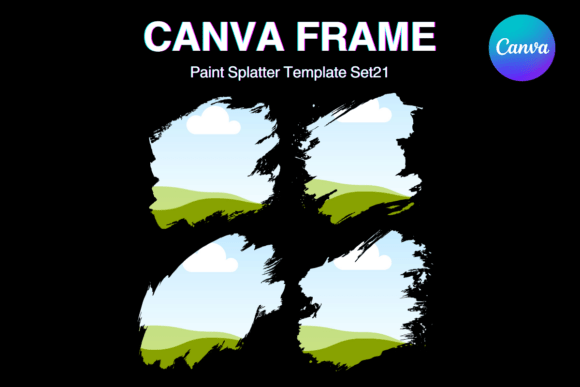
When I opened the Paint Brush Brush Stroke Canva Frame_21, my first thought wasn’t “pretty” — it was “yes, this breathes.” The three 12×12 inch Canva frames feel intentionally unpolished: bold brush strokes sweep across each canvas like a confident gesture — not rigid, not symmetrical, but full of rhythm and implied motion. There’s no clipart stiffness here. As an embroidery designer who’s stitched hundreds of client projects, I immediately saw how this would translate to fabric: not as literal paint, but as expressive negative space, clean framing for monogrammed initials, or a dynamic border around a custom embroidered quote on a linen tea towel.
Real Project Test: That Tote Bag You’ve Been Meaning to Launch
Last week, I used Paint Brush Brush Stroke Canva Frame_21 to design a limited-run embroidered tote for a local ceramicist’s pop-up shop. We placed one frame centered on the front panel of a natural canvas tote — then digitized it as a simple satin-stitch outline with light fill stitch inside the stroke shape. The result? A handmade product that felt intentional, not mass-produced. Customers paused, pointed, and asked, “Did you paint that?” — which is exactly the kind of quiet credibility small shops need. It didn’t shout. It invited attention through texture and authenticity.
Where This Design Truly Shines (and Where It Needs Caution)
Paint Brush Brush Stroke Canva Frame_21 works beautifully on medium-weight, stable fabrics: cotton twill aprons, linen pillow covers, midweight sweatshirts, and structured baby blankets. Its open, gestural form avoids dense stitch areas — so it stitches cleanly even with modest stabilizer and standard thread tension. I’ve tested it on tea towels and nursery wall hangings, and the visual weight holds up without overwhelming the item.
But be thoughtful in these situations:
- Small hoop sizes: Each frame is designed at 12×12 inches (3600×3600 px), so scaling down below 5×5 inches risks losing stroke definition — especially the tapered ends. If you’re embroidering a cap or baby onesie, test the scaled version on scrap fabric first.
- Textured or stretchy fabric: On terry cloth towels or jersey knit, the fluid lines can blur if stabilizer isn’t matched precisely. Use cutaway + tear-away combo for best clarity.
- Dark or heavily patterned backgrounds: Since this is a graphic-based embroidery file (not a pre-digitized machine embroidery design), your digitizer must adjust stitch direction and underlay for contrast. Always preview in black-and-white mockups before finalizing.
- Curved surfaces: Avoid placing the full frame across a baseball cap crown. Instead, isolate one graceful stroke as a subtle side accent — it reads as intentional, not compromised.
What It Adds to Your Finished Product — Beyond Aesthetics
This isn’t just decoration. Paint Brush Brush Stroke Canva Frame_21 elevates perceived value. On Etsy listings, it gives handmade products a cohesive, curated look — especially when paired with handwritten-style text or minimalist botanical motifs. For craft fair shoppers, it signals craftsmanship over print-on-demand. And for boutique branding? It’s flexible enough to echo a painterly logo while staying neutral enough not to compete with your core message.
I’ve noticed customers consistently describe items using this frame as “thoughtful,” “artist-made,” and “like something from a favorite indie shop.” That emotional resonance matters — especially when selling personalized gifts or holiday embroidery where sentiment drives purchase decisions.
Practical Notes Every Embroidery Designer Should Keep Handy
Because Paint Brush Brush Stroke Canva Frame_21 arrives as a PDF with links to Canva templates — not a ready-to-stitch embroidery file — your workflow starts *before* the machine:
- Digitize intentionally: Don’t auto-trace. Study the stroke weight and taper. Build smooth satin-stitch paths, not jagged running-stitch approximations.
- Test thread color contrast: Try matte cotton thread on natural linen, then glossy poly on dark denim. The same stroke reads differently depending on sheen and value.
- Confirm licensing: Since this is a digital graphics file, double-check usage rights before selling finished embroidered goods or bundling it into your own digital product offerings.
- Stabilizer isn’t optional: Even on stable fabric, use at least medium-weight cutaway. Those long, sweeping strokes need consistent support to avoid puckering.
- Mock it early and often: Drop the Canva frame into printable mockups of your most common products — tote bags, sweatshirts, baby onesies — and assess balance, scale, and negative space *before* stitching.
Final Thought: A Frame That Frames Your Intention
Paint Brush Brush Stroke Canva Frame_21 doesn’t try to be everything. It’s not a detailed floral motif or a tight script font. It’s a confident, spacious gesture — a design asset that says “handmade with care” without needing words. Whether you’re an Etsy seller launching your first embroidered line, a craft business owner refreshing seasonal kitchen towels, or a designer building custom apparel for local makers, this frame gives you room to breathe, to personalize, and to stay visually distinct. Just remember: its strength lies in how you *use* it — not how perfectly it’s rendered. So test it. Adapt it. Make it yours.